Tax Lien Investing
Earn government-set interest (commonly 8β18%, up to 36% in some states) by buying tax-lien certificates on delinquent properties. Beginner basics through advanced foreclosure strategy.
Five plain-English strategies serious investors and families use to grow, defend, and pass on wealth: tax liens, rentals, trusts, foundations, and asset protection.
Start with the pillar that fits your situation today. Each one stands alone, but they compound when you stack them.
Earn government-set interest (commonly 8β18%, up to 36% in some states) by buying tax-lien certificates on delinquent properties. Beginner basics through advanced foreclosure strategy.
Optimize cash flow, depreciation, and entity structure. Learn the LLC stack landlords use to protect equity and keep more after-tax dollars.
Avoid probate, protect heirs, and transfer wealth across generations using revocable, dynasty, and grantor trustsβplus Lady Bird deeds where they apply.
How wealthy families use private foundations and donor-advised funds for charitable impact, family employment, and lifetime tax planning.
Series LLCs, holding companies, trust-owned LLCs, and risk separationβhow to keep one bad lawsuit from touching everything you own.
A 3-PDF bundle: Asset Protection Structure Diagram, Entity-Selection Checklist, and the 2026 Tax-Lien Due-Diligence Worksheet. No spam, ever.
By subscribing you agree to our Privacy Policy. Unsubscribe with one click.
Optional paid templates and workbooks for readers who want implementation help.
Complete beginner's guide, due-diligence templates, and a state-by-state interest-rate matrix.
Buy Β· $99Track expenses, depreciation schedules, and maximize Schedule E deductions.
Buy Β· $49All six Legacy Asset Lab products β tax liens, rentals, estate, asset protection, foundations, and trusts. $520 value for $297.
Buy Β· $297From our sister brand, Smith Helping Hands. Plain-English VA compensation education. Not legal advice.
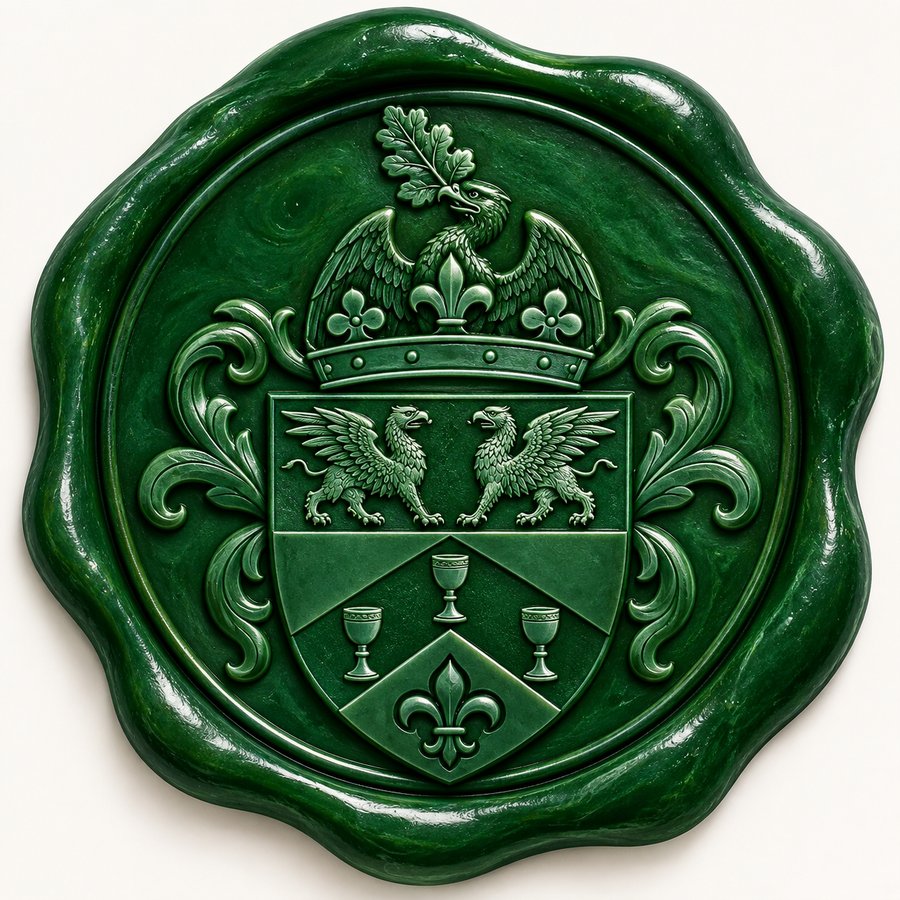
Buy Β· $19.99Trusts and tax strategy protect what you build. A signet ring is the older, simpler way families have marked who it belongs to β for centuries.
The practice dates to ancient Egypt and Mesopotamia, where a carved ring was pressed into wax or wet clay to authenticate a document β the original signature, roughly 3,500 years before signatures existed. Rome formalized it into law and custom for citizens and officials; by medieval Europe, a family's signet closed every sealed letter, land grant, and legal record, and possession of the ring carried real legal authority. The tradition never fully died: the British Crown still authenticates its most formal state documents with the Great Seal of the Realm β the same wax-and-metal idea, scaled up to the size of government.
The traditional version: an inherited coat of arms cut into the face of the ring, usually gold, and handed down intact rather than remade each generation. The Medici β Renaissance Florence's banking dynasty β built an entire visual identity around their six-ball shield, stamped into rings, palace facades, and church commissions alike, until the crest itself became shorthand for the family's reach. That's the same instinct behind a trust or a dynasty plan: something specific, verified, and built to outlast the person currently holding it.
No coat of arms required, and the shift is older than it looks. A gold ring engraved simply "WS," unearthed in Stratford-upon-Avon in 1810, is still debated by scholars as a possible signet of William Shakespeare himself β never confirmed, never fully dismissed. By the Victorian era, plain initials and monograms had become as common as heraldic crests, and today they're the accessible entry point: no genealogy required, just the letters that are already yours.
Family crest examples shared by a Legacy Asset Lab reader. Historical registries like the American College of Heraldry design and register personal coats of arms for anyone who wants their own.
We're not affiliated with Luxamara β we just like what they make. If a signet ring is on your list, their collection is worth a look.
Explore Luxamara βNo. Everything here is educational only. Rules vary by state and by personal situation. Always work with a licensed attorney, CPA, or financial professional before acting.
"Safe" is the wrong frame. Tax-lien interest is set by state law, but you still face risks: the property may be worthless, the redemption may never come, or you may need to fund a foreclosure. We walk through these in the tax lien guide.
It depends on your equity, jurisdiction, and insurance coverage. We compare LLC versus umbrella-insurance protection in the rentals guide.
Two ways: optional paid templates and workbooks, and occasional affiliate links to tools we actually use. We disclose every affiliate relationship inline.